Marine paint resistance to salt water
Marine paint
Introduction to coating chemical resistance standards | GB/T 10834-2008 “Determination of salt water resistance of marine paints – Salt water and hot salt water immersion method”
Coatings Industry:
1. Test Principle
Immerse the painted test panel in a liquid medium maintained at a certain temperature. After a specified time, observe the changes on the paint film surface and determine whether it meets the requirements of the product standard, or determine the duration of immersion until the coating is damaged and fails to a certain extent.

2. Materials
Test Tank
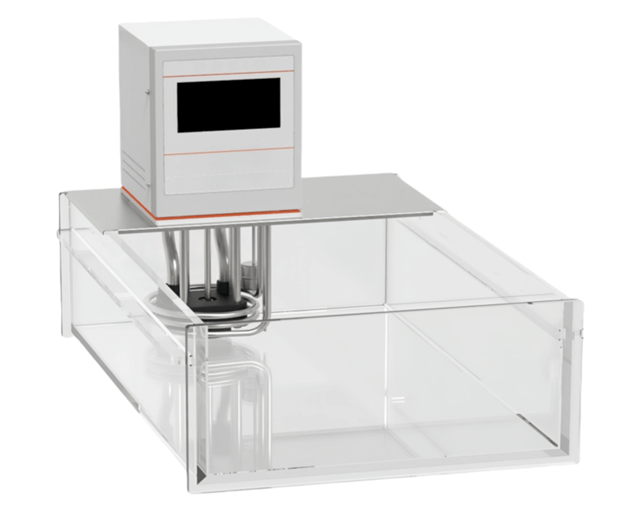
A saline constant temperature test tank is used. All parts that come into contact with the test salt water are made of inert materials (glass, plastic). The test tank is generally 700 mm × 400 mm × 400 mm in size and is equipped with a lid and a constant temperature heating system. The flow rate and temperature of the salt water in each part of the tank should be basically consistent, and a certain liquid level should be maintained.
Stirring System
Stirring can be performed by blowing in oil-free air (meaning that no oil should float on the water surface during the circulation process) or pump circulation. Regardless of the stirring method used, the purpose of fully stirring the entire tank of brine must be achieved.
Test plate support
Made of non-conductive material, the test surface of the test plate should be able to maintain an angle of 15°~20° with the vertical direction.
Hot-rolled ordinary carbon steel plate
In accordance with GB 712 standard, with a size of 300 mm × 100 mm × (2~3) mm, and four samples of the tested product in each group (one of which is a comparison plate).
3. Test Conditions
Test Brine
Natural seawater or artificial seawater of the first category filtered in accordance with GB/T 3097-1997.
Test temperature
(27±6) ℃.
The test brine temperature of heat-resistant brine is (35±2) ℃, and the soaking period is 7 days. In the last 2 hours of each cycle, the hot brine immersion test is performed at a temperature of (80±2) ℃.
4. Operation Points
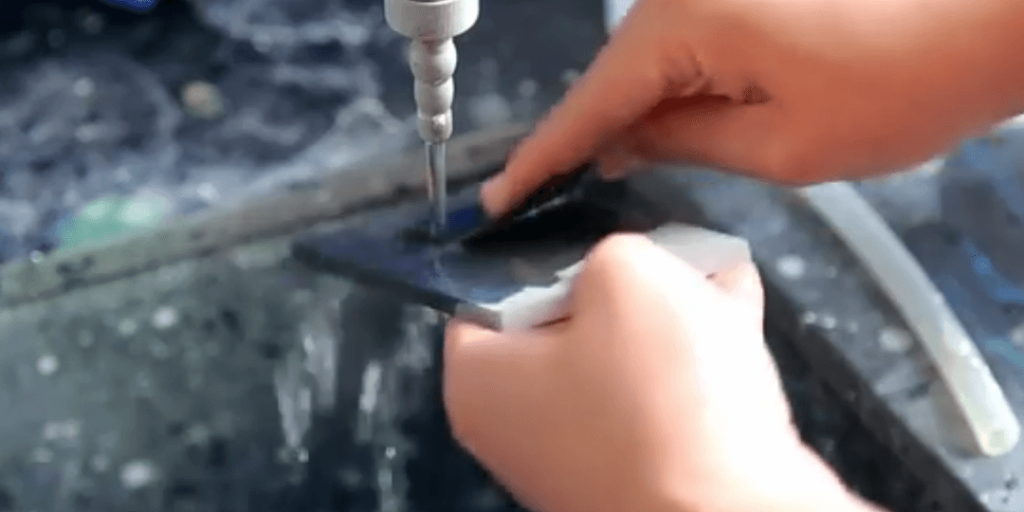
The surface treatment of the substrate should be sandblasted or shot blasted. After treatment, the surface cleanliness of the steel plate should reach Sa 2 level specified in GB/T 8923-1988, and the surface roughness (Ra) should be 35~70 μm.
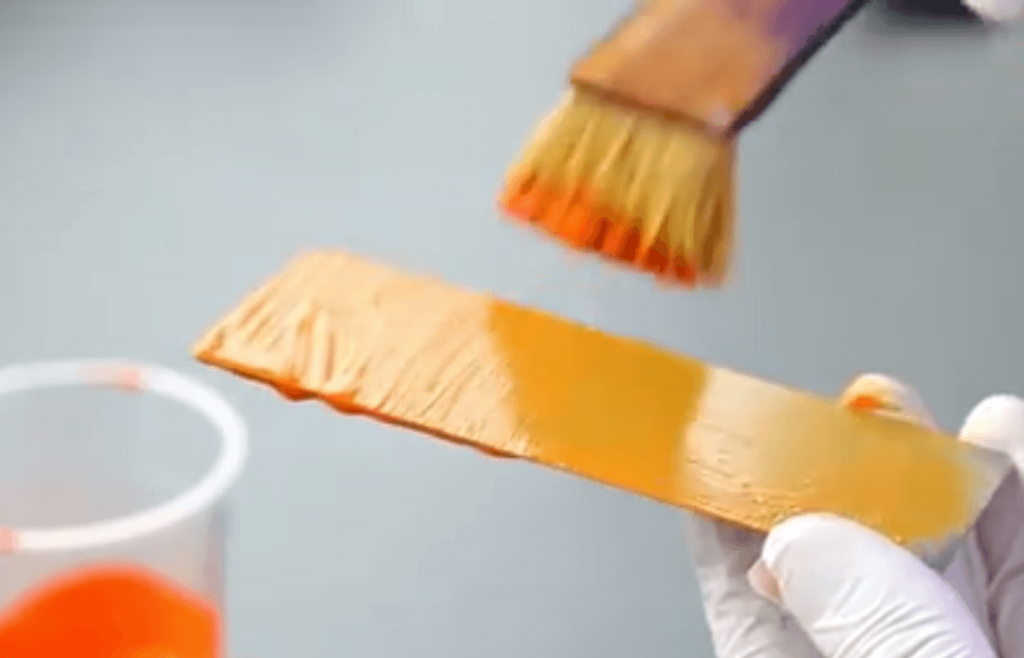
Unless otherwise specified or agreed, the preparation of the sample paint film should be carried out in accordance with the provisions of GB/T 1765, and can be applied by brushing or spraying. The matching of the coating system, the number of coating layers, and the coating thickness shall be carried out in accordance with the relevant product technology or the requirements of the coating manufacturer. The back of the test plate should be coated with appropriate protective coating or test coating, and the four sides of the test plate should be sealed by appropriate methods.
Before the test, the test sample shall be measured for thickness, inspected, recorded or photographed.
Inject a sufficient amount of test salt water that meets the requirements into the test tank, turn on the heating and stirring system, adjust the test salt water to the specified temperature conditions and maintain it throughout the test stage.
Immerse the sample on the test plate bracket in the test tank so that three-quarters of the sample is immersed in the test salt water. The distance between the sample immersed in the tank and the inner wall of the tank is at least 30mm. If several samples are immersed in the same test tank, the distance between them should be at least 30mm. The position of the sample in the tank should be changed continuously during the test.
To avoid the reduction of the test salt water due to evaporation, the test tank should be covered, and distilled water should be added at an appropriate time to maintain the original liquid level in the test tank.
5. Inspection
Intermediate Test Inspection
During the test or at the end of each cycle, take the test sample out of the test tank, rinse it carefully with tap water, wipe it gently with filter paper or soft cloth, check for damage, and then put it back into the test tank. The number of test cycles and test time shall be in accordance with the product standards.
Final Check
When the test is completed at the specified time or cycle, take out the sample, wash off the salt traces with tap water, wipe dry with filter paper or soft cloth, and then test the coating system for loss of gloss, discoloration, rust, blistering, shedding and cracking according to GB/T 1766. If necessary, compare with the un-immersed sample prepared in the same way. If a recovery period is specified, repeat this inspection and comparison after the specified recovery period.
Test results and evaluation
Compare the records or photos before the test, evaluate the dry film damage phenomenon, and record or photograph it. The damage within 10 mm of the edge of the test plate will not be included in the test results.